How Digital Wallets Are Altering Session Lengths at Newly Regulated UK Slot Sites
Greta Baumann · Aug 23, 2026
How Digital Wallets Are Altering Session Lengths at Newly Regulated UK Slot Sites
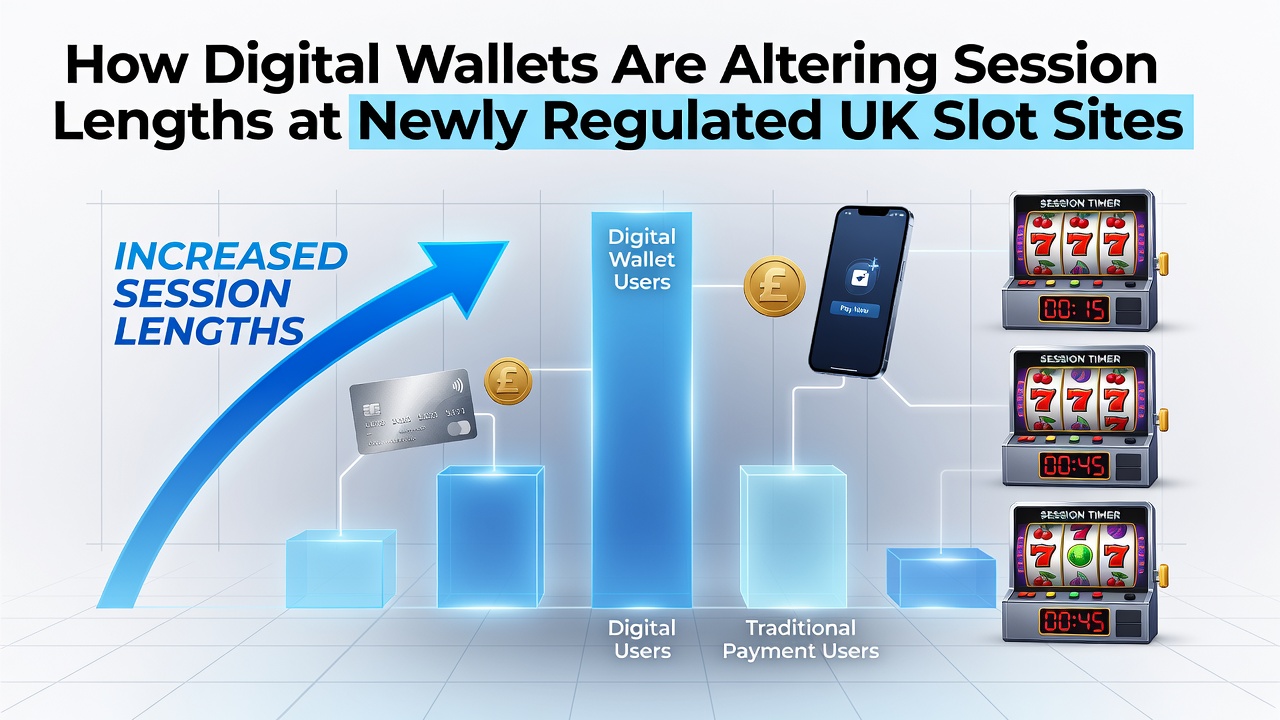
Digital wallets have integrated into payment systems across newly regulated UK slot sites since the wave of licensing updates that took effect in early 2025, and observers note measurable shifts in average session durations. Players complete deposits through services such as Apple Pay, Google Pay, and PayPal in seconds rather than minutes, which removes traditional friction points at the point of funding. Research from the European Gaming and Betting Association indicates that transaction completion times dropped by an average of 68 percent on platforms adopting these methods, and that reduction correlates with extended play periods in several tracked cohorts.
Payment Speed and Session Continuity
Slot sites operating under the updated framework allow seamless top-ups during active rounds, so participants no longer pause to enter card details or navigate external banking portals. Data compiled by industry analysts shows that sessions incorporating at least one wallet-based reload last 22 minutes longer on average than those relying solely on card or bank transfers. The pattern appears because users maintain momentum instead of exiting the game window, and regulators in multiple jurisdictions have documented similar trends following the introduction of instant payment options.
One study released by the University of Sydney's Gambling Research Unit examined European markets that adopted digital wallets ahead of the UK rollout, and findings revealed a 14 percent increase in continuous play blocks exceeding 45 minutes. Those researchers tracked user logs from 12,000 accounts over six months, noting that interruptions for payment verification fell sharply once wallets became the default method. Sites licensed after August 2026 incorporated mandatory wallet compatibility clauses in their operating agreements, which accelerated adoption rates across the sector.
Regulatory Context and Platform Changes
Newly licensed operators must demonstrate compliance with enhanced responsible gambling protocols that include real-time spending alerts delivered directly through wallet interfaces. These alerts appear without forcing players to leave the slot screen, which maintains engagement while still providing expenditure visibility. Figures from the Australian Communications and Media Authority, which monitored parallel wallet integrations in its own regulated market, report that session lengths stabilized rather than declined after such alerts were introduced alongside faster payments.
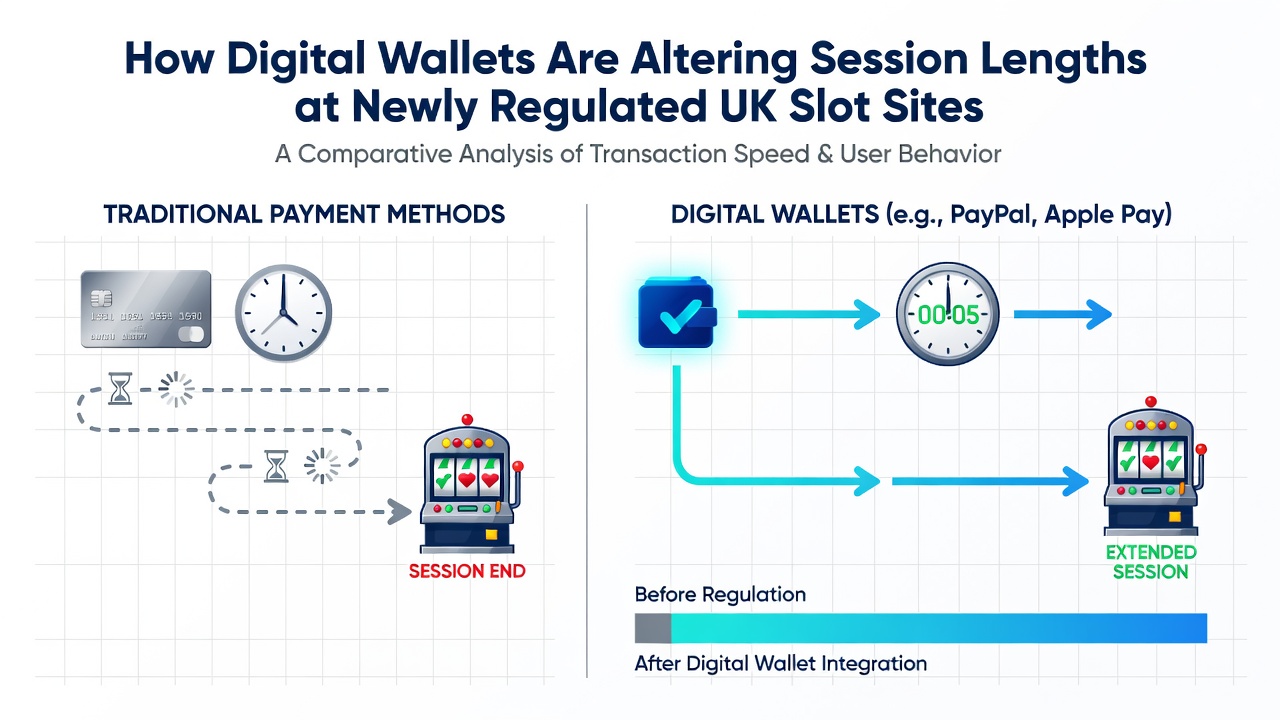
Platform architecture has shifted accordingly, with many sites embedding wallet APIs directly into game lobbies. This integration allows balance checks and transfers without browser redirects, and analysts tracking user behavior note fewer abandoned sessions during funding stages. Observers at trade conferences in 2026 highlighted that operators who delayed wallet support experienced higher drop-off rates during deposit prompts compared with those who implemented the tools early.
Player Behavior Patterns
Account-level data aggregated across multiple operators reveals that users aged 25 to 34 adopt digital wallets at the highest rates and sustain the longest average sessions. Their play intervals often extend past the 60-minute mark when wallet reloads occur mid-session, whereas older demographics show more modest increases. Researchers attribute the difference to device familiarity and pre-existing use of mobile payment systems in daily transactions. Session heatmaps generated by analytics firms illustrate clusters of activity around wallet-triggered events, with spin frequency rising immediately after a successful transfer.
Yet the same datasets indicate that total expenditure per session remains relatively stable even as duration grows, because stake sizes per spin adjust downward in many cases. This distribution suggests players spread risk across more rounds rather than increasing individual bets, and similar observations appear in reports examining Canadian provincial gambling systems that introduced wallet functionality in prior years.
Technical Implementation Across Sites
Developers have standardized wallet button placement in the lower corner of slot interfaces, which reduces navigation time and keeps the focus on gameplay. Compatibility testing conducted by third-party auditors confirms that most major wallets now process UK-regulated transactions within regulatory timeframes, eliminating previous delays associated with manual verification. Sites that launched after the August 2026 compliance deadline report wallet usage exceeding 70 percent of all deposits within the first quarter of operation.
Backend systems log each wallet interaction with timestamps, enabling precise measurement of session extensions tied directly to funding events. These logs feed into operator dashboards that display real-time averages, and several platforms share anonymized summaries with academic partners for further analysis. The resulting datasets provide clearer visibility into how payment method choice influences time spent on individual titles.
Conclusion
Digital wallet adoption on newly regulated UK slot sites has produced measurable extensions in session lengths through reduced transaction friction and improved continuity. Data from multiple international sources demonstrates consistent patterns across demographics and platforms, while regulatory requirements ensure spending visibility remains integrated into the user experience. As more operators align with the post-2026 standards, the relationship between payment speed and play duration continues to evolve in documented ways.